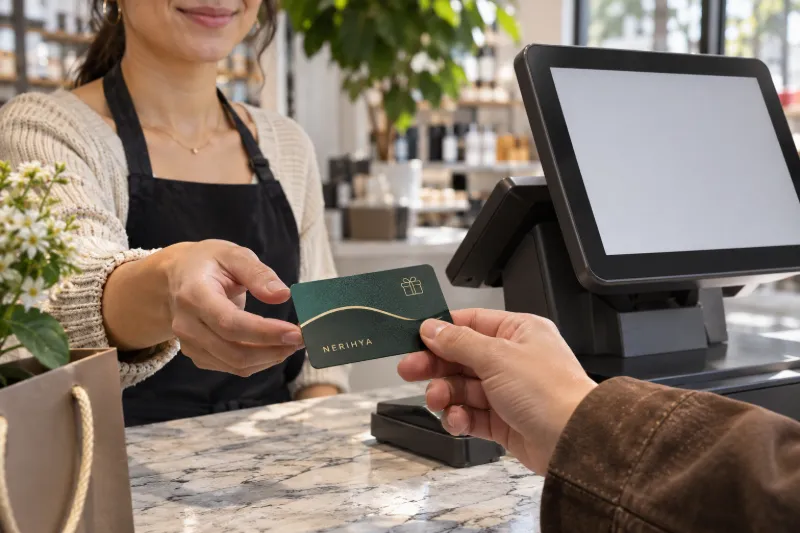
Run a café, a barber shop or a small salon and you will know the feeling. Big chains have apps, points and personalised offers. You have a paper stamp card and a chalkboard. Nerihya is a British software platform that aims to close that gap. Its tagline is "Proper local deals. Dead easy", and it describes itself as customer growth software for local businesses.
This review is written for the owner of such a business, not for a shopper. It looks at what the tool does, what each plan costs according to the offers listed for it, and how a small business might use it week to week. The information comes from the Nerihya website. We have not run a campaign through the platform, so results will depend on your own trade and customers.
Before you set up your first campaign, see the latest Nerihya coupon codes and deals on Remaxcode.
Nerihya
Start Free With The £0/Month Plan And 10 Voucher Scans
Free Nerihya business plan with 10 voucher scans and a digital store profile.
Nerihya
Starter Plan From £7.99/Month With QR Code Flyers
Up to 21 scans, 0% platform transaction fee and printable QR flyers.
Nerihya
Growth Plan At £13.99/Month With 0% Platform Transaction Fee
Up to 50 scans, analytics dashboard and priority support.
Nerihya
Pro Plan With Unlimited Scans And No Overage Fees
Pro plan at £21.99/month with featured placement and a verified store badge.
Nerihya
Save 2 Months With Yearly Billing
Choose yearly billing and save two months.
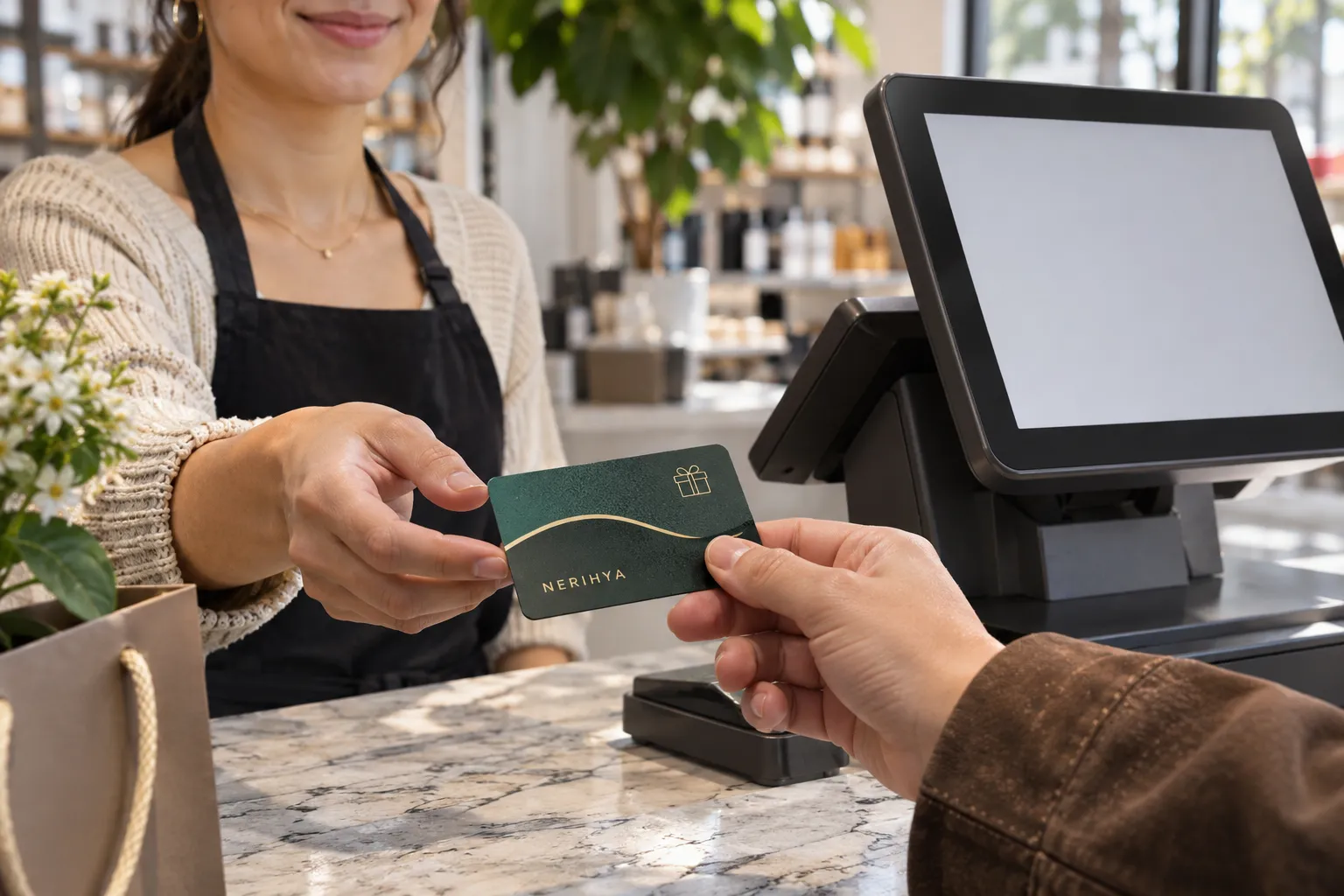
Editorial illustration. Check current prices and offer terms before ordering. Remaxcode may earn a commission through affiliate links.What Nerihya does
The site organises its pitch around four jobs that every local business has:
Acquire new customers: create digital offers, promotions and campaigns that help new people find you.
Increase repeat visits: build loyalty with rewards, exclusive offers and personalised incentives.
Track what works: see which promotions drive sales and which customers return.
Manage everything in one place: run promotions and monitor growth from a single dashboard.
Behind those sit the features. Digital offers and promotions let you create time-limited discounts for the periods when you most need custom. Customer loyalty programmes reward repeat visits with points and benefits. QR code campaigns let customers open a promotion in seconds, in store or online. Business analytics show customer behaviour and campaign performance. Customer engagement tools keep you in touch through notifications and promotions.
The platform says it is designed specifically for high street and service businesses, and that promotions can be launched in minutes.
The plans and what they cost
The offers listed for Nerihya set out four tiers:
Free: £0 a month, with 10 voucher scans.
Starter: from £7.99 a month, including QR code flyers.
Growth: £13.99 a month, with a 0% platform transaction fee.
Pro: unlimited scans and no overage fees.
Yearly billing saves two months, which is equivalent to about 17% off, and there is a free sign-up and trial. Check the pricing page for the current price of the Pro tier and for exactly what each plan includes, since plan details can change.
Reading the tiers
The wording of each tier tells you how the pricing works. Plans are differentiated by scans, meaning the number of times customers redeem a voucher or offer. The Free plan caps you at 10, enough to prove the idea works. Pro removes the cap and promises no overage fees, which suggests the tiers in between include a set allowance.
The Growth plan highlights a 0% platform transaction fee. That implies a fee applies on lower tiers when transactions run through the platform. If you plan to take payment for deals through Nerihya, ask what the fee is on Starter and compare it with the £6 difference between the two plans. For a business with any real volume, a zero-fee plan at £13.99 could be cheaper overall than a lower subscription with a percentage taken from each sale.
A week with Nerihya: an example
Abstract features are easier to judge with a concrete case. Imagine a neighbourhood coffee shop that is busy in the morning and empty from two to four in the afternoon.
On Monday, the owner creates a time-limited offer: a free pastry with any hot drink between 2pm and 4pm. The platform generates a QR code. On Tuesday, the code goes on a flyer by the till and on the shop's social page. Through the week, customers scan to claim it. Each scan counts as a redemption and appears in the analytics. On Friday, the owner looks at the dashboard. If thirty people came in during the quiet hours and half were new, the offer earned its keep. If nobody scanned, the offer or the placement needs changing.
The second step is loyalty. Those new afternoon customers can be enrolled in a points programme, so that the pastry offer becomes the start of a habit instead of a one-off. This sequence, attract with an offer, measure it, then reward the return visit, is what the platform is built to support.
Which plan for which business?
A market stall or a brand-new business testing the idea: Free.
A single shop running one or two campaigns a month: Starter.
A busy café, salon or takeaway taking payments through the platform: Growth.
A multi-site business or one with high redemption volumes: Pro.
Start on the free plan. Ten scans will not run a business, but they will tell you whether your customers are willing to scan a code at all, which is the real question.
What to check before you commit
How scans are counted, and what happens when you reach your limit.
The transaction fee on each plan.
Whether customers need to download an app or can redeem in a browser.
Who owns the customer data you collect, and how you can export it.
How the tool handles consent for marketing messages under UK data protection rules.
The notice period for cancelling a monthly or yearly plan.
These are standard questions for any marketing software, and a good supplier will answer them readily.
Strengths
Built for small, physical businesses, not adapted from enterprise software.
A free tier and low entry prices.
Promotions, loyalty and analytics in one dashboard.
QR codes that work on a flyer, a window or a receipt.
Limitations
The free plan's 10 scans are for testing only.
Value depends on customers being willing to scan and sign up.
A digital tool cannot fix a weak offer or a poor location.
It is a younger platform, so ask for examples from businesses like yours.
How it compares with doing it yourself
A paper stamp card costs almost nothing and requires no software. Its weakness is that it tells you nothing. You do not know who your regulars are, when they come or whether a promotion brought in anyone new. At the other end, a custom app is far beyond a small shop's budget. A subscription of £8 to £14 a month sits sensibly in between, as long as you look at the numbers it gives you and act on them.
Questions owners ask
Is there a free plan?
Yes. The £0 plan includes 10 voucher scans.
How much are the paid plans?
Starter is from £7.99 a month and Growth is £13.99 a month. Pro offers unlimited scans.
Is there a discount for paying yearly?
Yes. Yearly billing saves two months.
What kind of business is it for?
Local high street and service businesses, such as cafés, salons and independent shops.
Verdict
Nerihya gives a small business the promotion and loyalty tools that chains take for granted, at a price most can afford. Test it on the free plan with one clear offer, watch the scans, and move to Growth if you are taking payments through it. The software will show you what works. Deciding what to offer is still your job.